Rebalance Without Writing a Single Line

Today we explore automating portfolio rebalancing with no-code tools, translating disciplined allocation rules into reliable workflows without a single line of code. Expect pragmatic stacks, step-by-step logic, safety checks, and real stories that turn sporadic adjustments into a calm, automated practice you can actually trust.

Bands Instead of Calendar Dates

Threshold-based rebalancing reacts to meaningful drift rather than arbitrary dates, reducing unnecessary trades and transaction costs. Set tolerance bands around targets, then let a simple no-code rule fire when deviation breaches limits. This avoids micromanagement during calm markets while catching risk creep early, preserving your intended exposure without noisy, calendar-driven churn.

Seeing Drift Before It Hurts

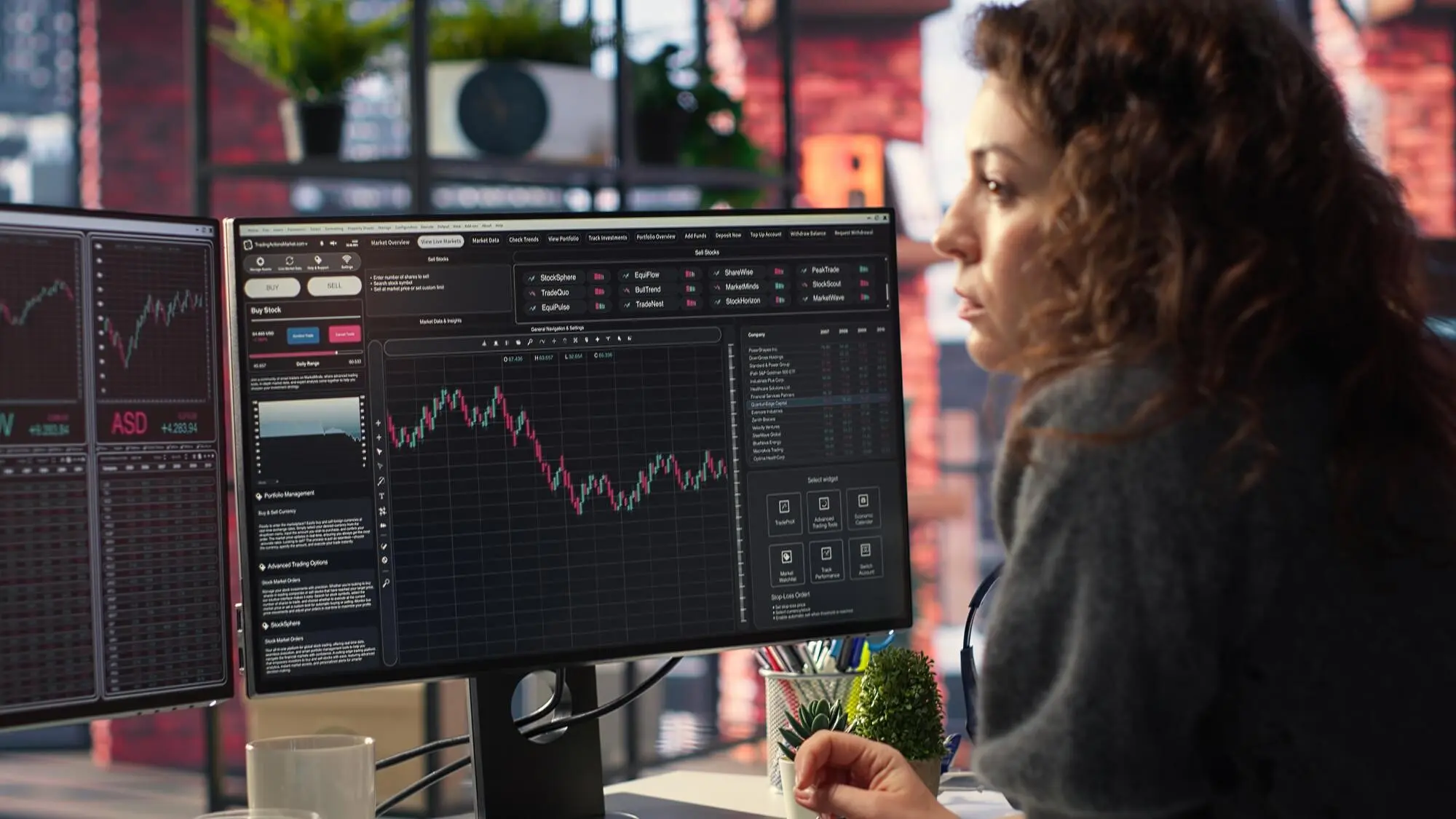
A lightweight dashboard built with spreadsheets and connectors can visualize live weights, target allocations, and variance. Color-coded cells highlight where risk has silently drifted, and summary metrics surface the biggest offenders. By making discrepancies obvious at a glance, your automation focuses effort only where it truly matters, keeping attention sharp and effective.

Cutting Out Emotional Whiplash

Predefined rules mute panic and euphoria by deciding actions before markets provoke second thoughts. No-code scheduling and approval steps keep you consistent on rough days and calm on euphoric rallies. By turning intentions into enforceable routines, you sidestep headline anxiety, reduce regret, and earn the quiet confidence of a system that never flinches.

Choosing a Frictionless No-Code Stack

Great automation comes from simple, dependable parts that play well together. Use a spreadsheet or database for positions and targets, a price feed for valuations, and an automation service to schedule checks and route alerts. Add an approval step before any trade instruction. Keep each piece understandable, replaceable, and easy to audit when conditions change.

A Visual Rules Engine in a Spreadsheet

You can encode robust rebalancing logic using only spreadsheet formulas and clear sheets. Calculate target dollar amounts, compare to current values, and propose trades that close gaps while honoring minimum sizes. Add constraints for cash buffers or position caps. Because the logic is visible, you can explain decisions, debug anomalies, and improve rules over time.

Targets That Adjust With You

Create a control panel that toggles scenarios like conservative, balanced, or growth. With a single dropdown, target weights shift, and every downstream cell recalculates instantly. This lets you reflect life events or risk preference changes without rebuilding workflows. Add notes for rationale, so future you remembers exactly why adjustments were made and when they mattered most.

Cell-Based Rebalance Math That Adds Up

Compute drift by subtracting target from actual weight, then translate differences into suggested sells and buys. Funnel sale proceeds to fund the largest shortfalls first, respecting minimum trade sizes and rounding rules. By keeping math transparent, you can validate outcomes against intuition and confirm the plan behaves sensibly across volatile days and quiet market stretches.

Data Quality, Alerts, and Observability

Automation is only as good as its data and feedback loops. Build daily snapshots to track changes, validate totals, and catch discrepancies early. Route alerts with context, not noise. Maintain a changelog of targets and trades. With clear observability, you gain confidence in calm periods and faster recovery when surprises appear across feeds or brokerage exports.

Risk, Taxes, and Safety Nets

Efficiency should not outrun prudence. Integrate security, permissions, and safeguards so mistakes stay small and recoverable. Consider taxes, liquidity, and trading costs when scheduling rebalances. Add paper-trading dry runs before live execution. With layered defenses and thoughtful cadence, your automated process protects capital, protects attention, and respects the practical realities every investor navigates over time.

From Weekend Experiment to Daily Habit

A friend once confessed that rebalancing always slipped to “next month.” We built a no-code workflow in a weekend: data refresh, drift math, approvals, and tidy trade tickets. Two months later, turnover fell, discipline rose, and Sunday evenings stopped feeling like unpaid operations shifts haunting the calendar with avoidable, stressful chores.

Prototype to Portfolio in a Single Afternoon

Start with a simple sheet: tickers, targets, and quantities. Add prices, compute weights, and highlight drift. Connect an automation to send a summary at a chosen time. The first run will surface mismatches to fix. Every improvement thereafter takes minutes, not days, building unstoppable momentum toward a trustworthy, repeatable, and genuinely helpful personal assistant.

Iterating With Feedback, Metrics, and Guardrails

Track how often rebalances trigger, average trade counts, and post-trade tracking error. Each metric informs tighter logic or gentler bands. Invite a trusted peer to review assumptions and spot blind spots. Layer in new checks sparingly. Over time, results feel quieter and steadier, reflecting a process that learns without becoming brittle or burdensome to maintain.

Sentolentopexilumaveltosanofarivaro
Privacy Overview

This website uses cookies so that we can provide you with the best user experience possible. Cookie information is stored in your browser and performs functions such as recognising you when you return to our website and helping our team to understand which sections of the website you find most interesting and useful.